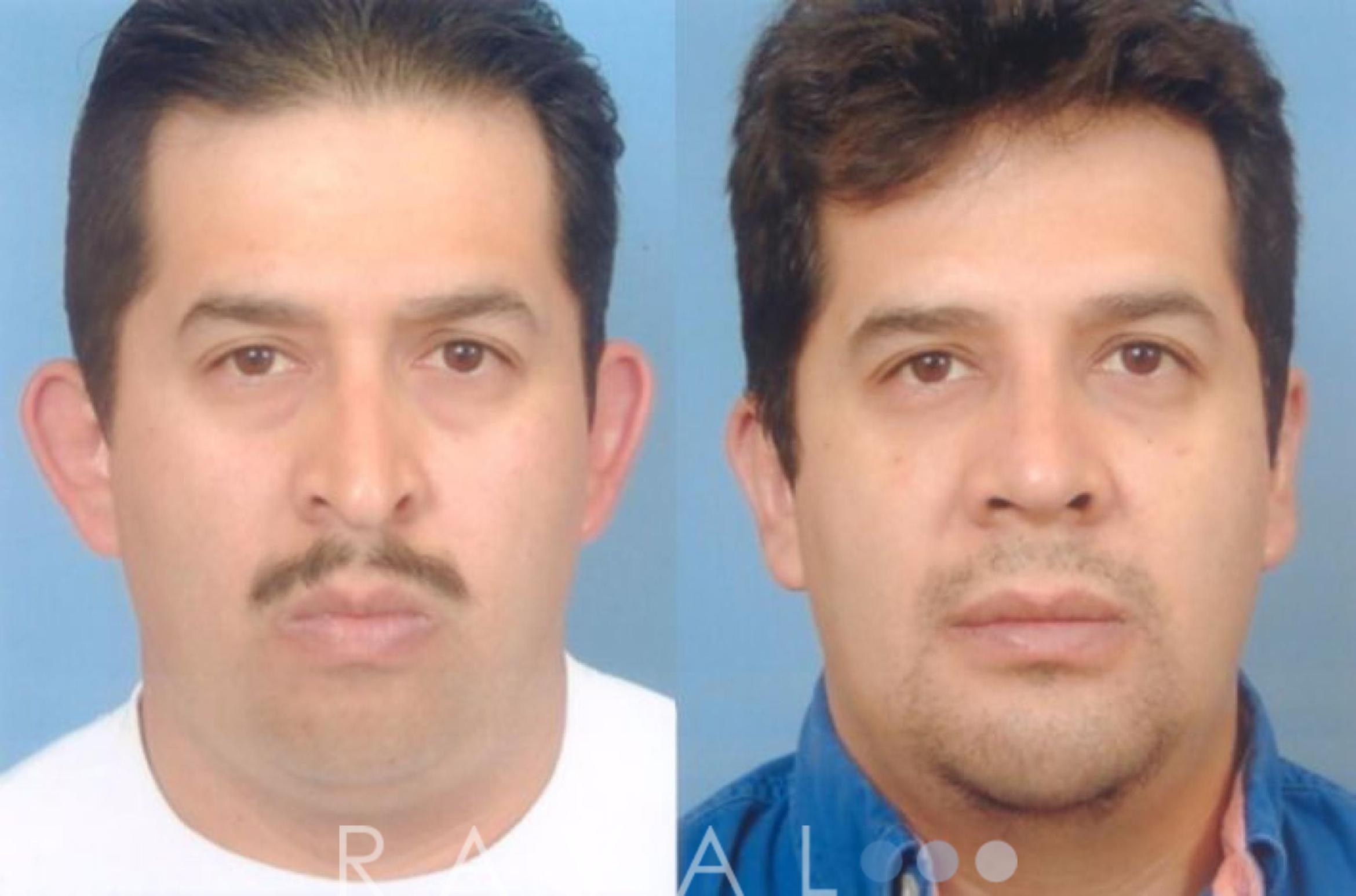
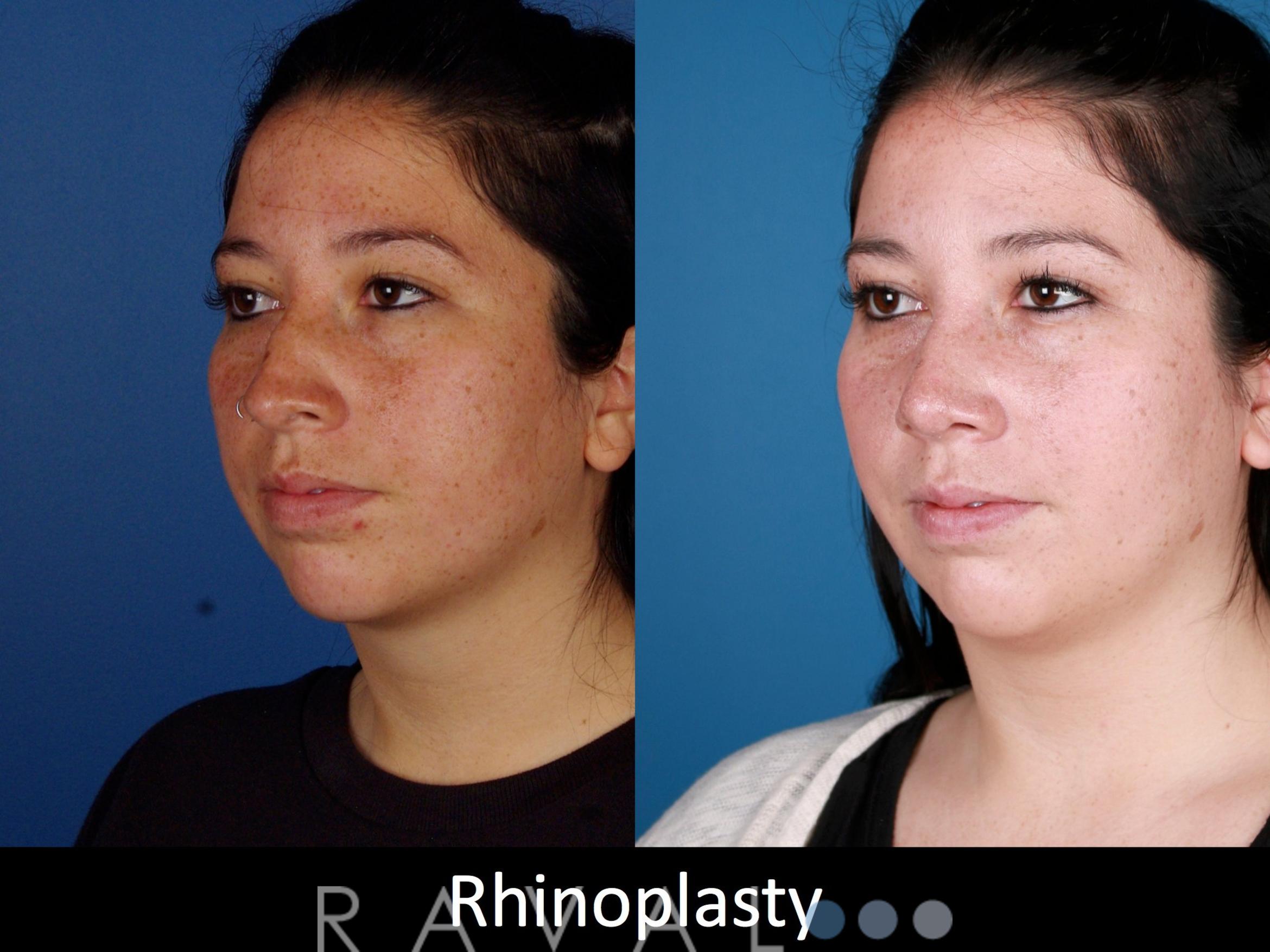
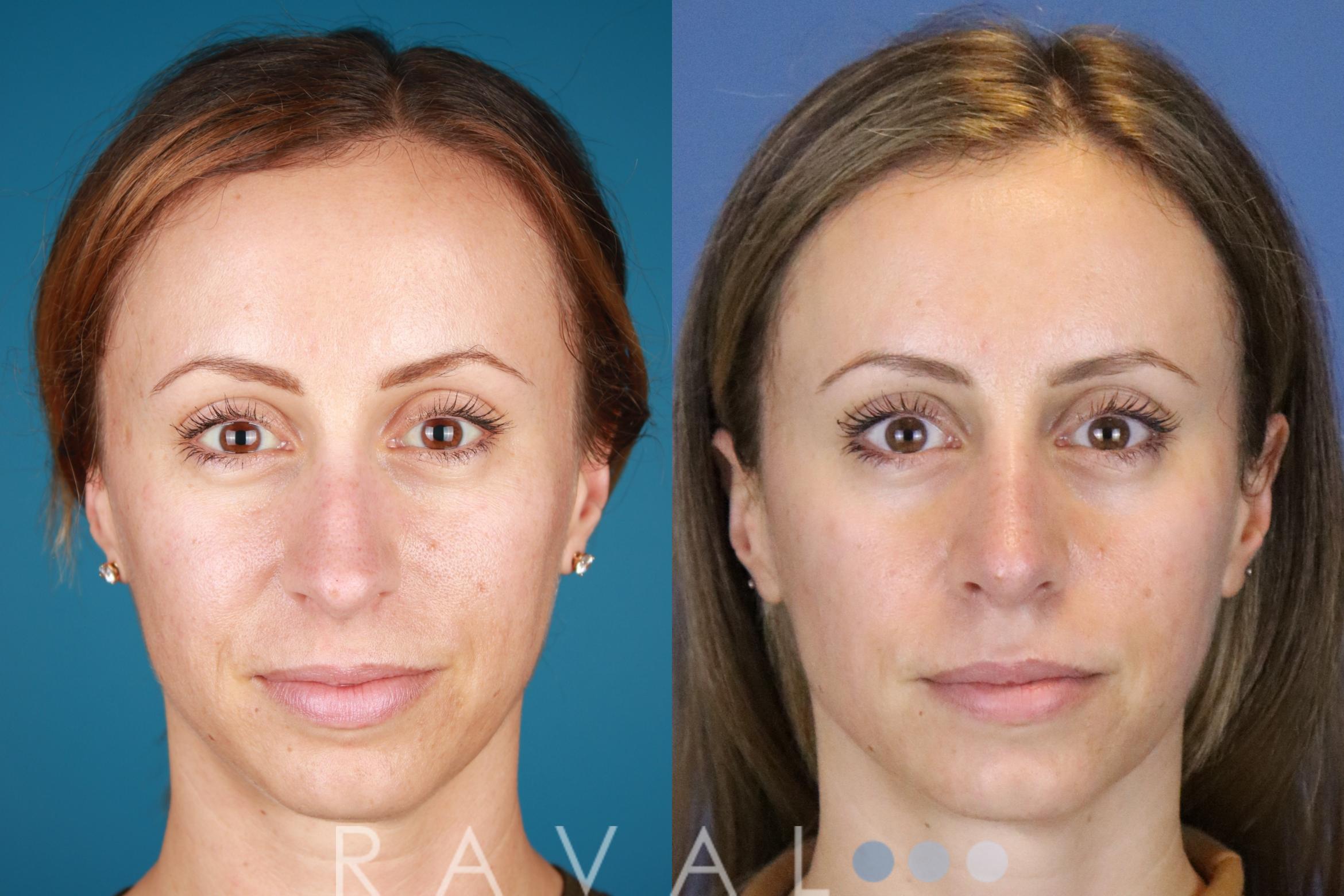
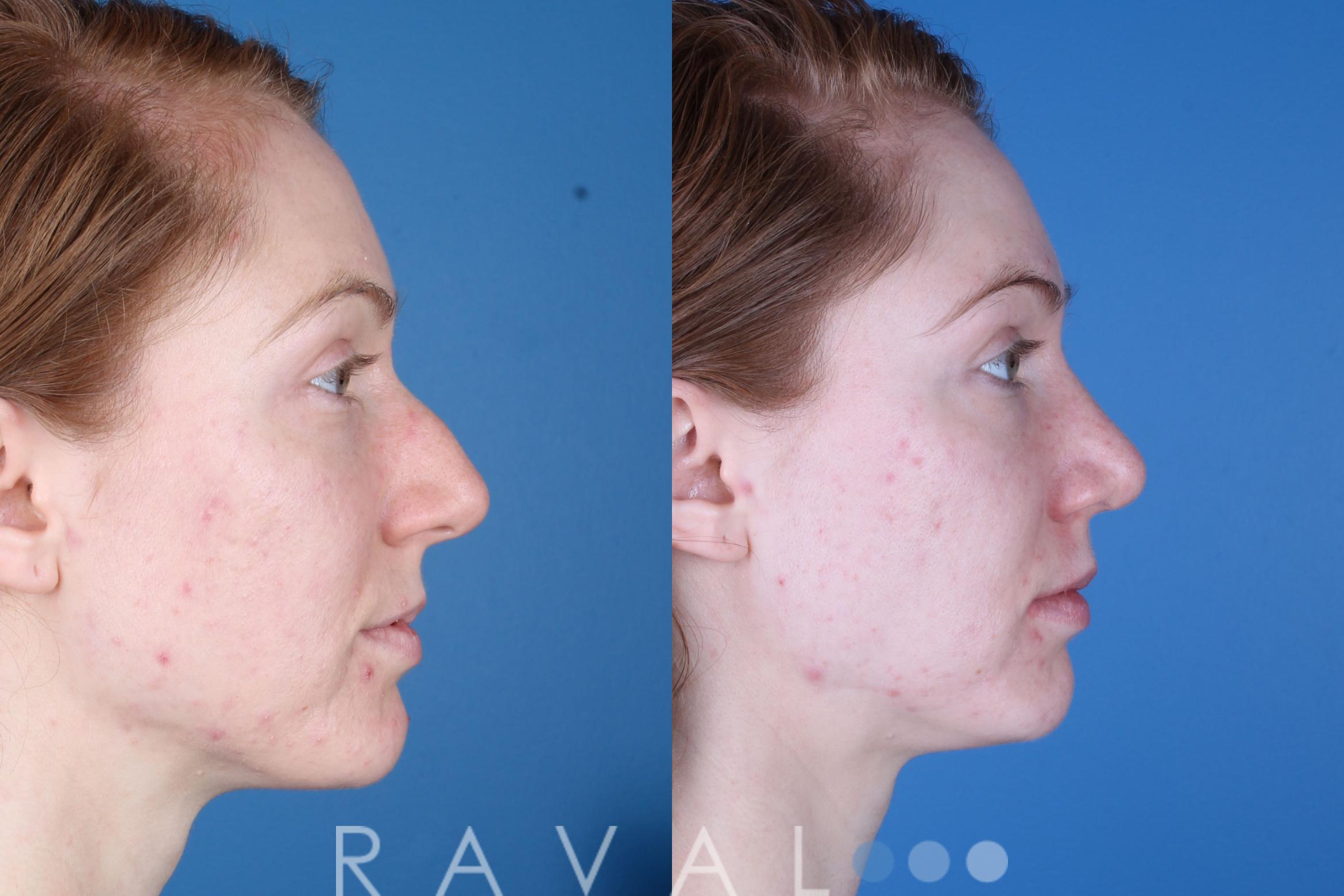
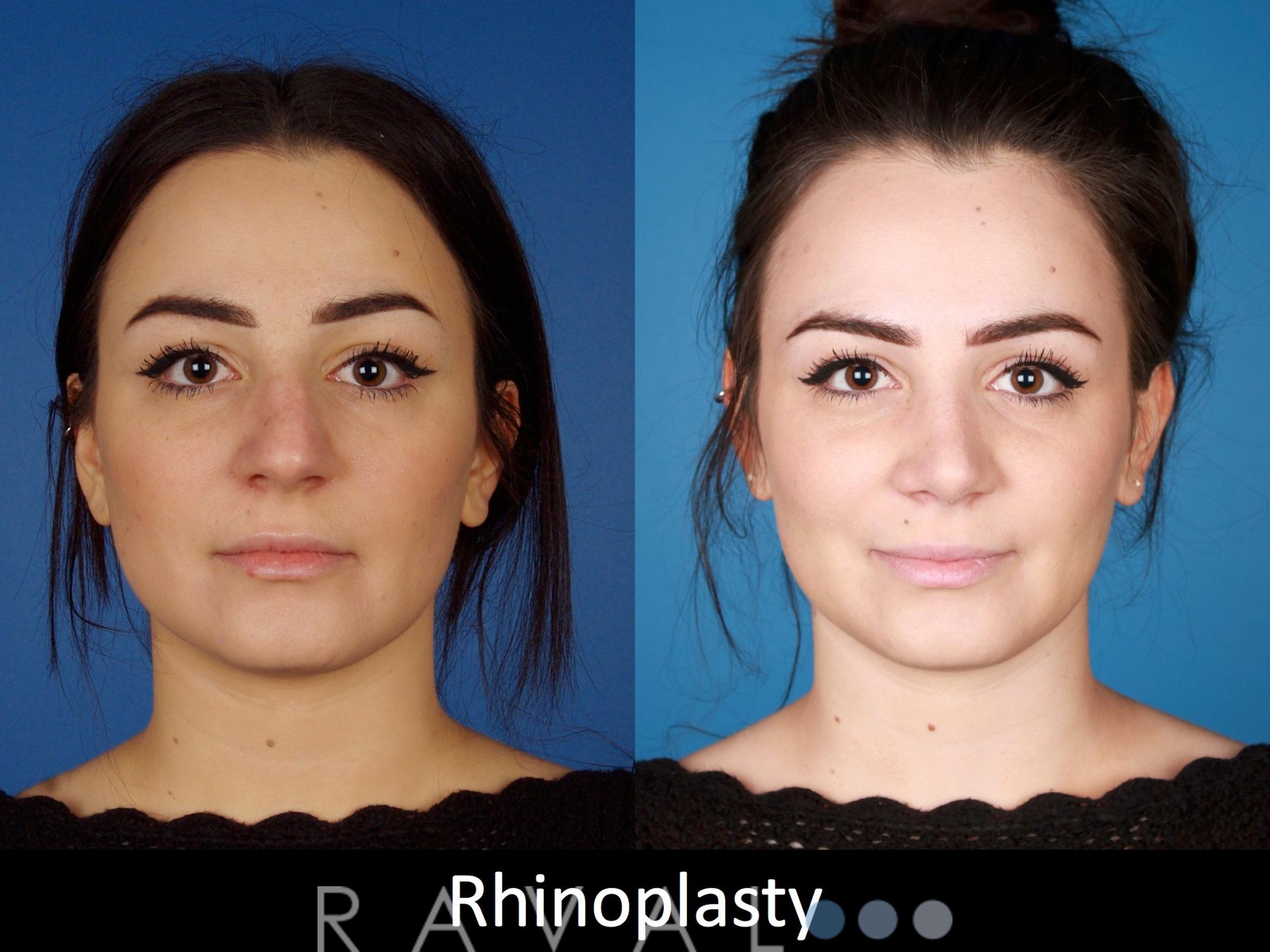
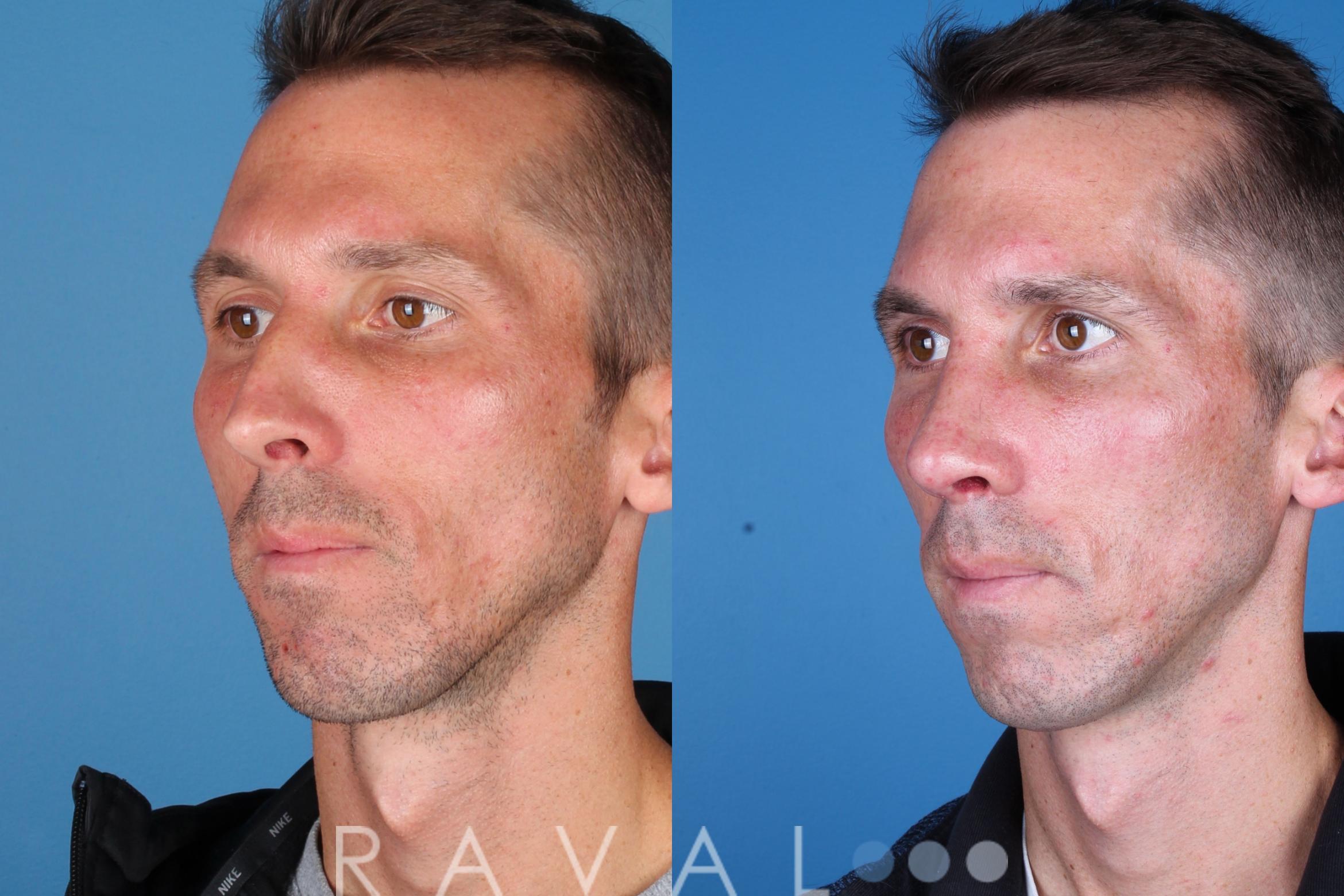
Because the nose sits at the center of the face, successful rhinoplasty requires specialized training and a precise understanding of both structure and proportion. Patients in Denver and Cherry Creek, Colorado, choose Dr. Raval’s thoughtful, anatomy-driven approach to achieve results that look natural, balanced, and in harmony with their features.

What Is Rhinoplasty?

Rhinoplasty (nose job) is a surgical procedure that reshapes and restructures the nose to improve appearance and function. Even subtle refinements can significantly enhance facial harmony and boost self-confidence.

Rhinoplasty addresses concerns such as:

  • A dorsal hump or uneven nasal profile
  • Nasal asymmetry
  • A bulbous or drooping tip
  • Wide nasal bones or nostrils
  • Breathing obstruction or structural collapse

Every rhinoplasty at Raval Facial Aesthetics begins with a detailed facial analysis to ensure changes complement surrounding features rather than drawing attention to the nose itself.

Who’s a Good Candidate for Rhinoplasty in Denver?

Ideal Denver rhinoplasty candidates:

  • Desire improved nasal balance or function
  • Are in good overall health
  • Have realistic expectations about results
  • Can take the time necessary to recover from surgery

During your consultation, Dr. Raval evaluates facial structure and airway function to determine whether rhinoplasty will effectively address your concerns.

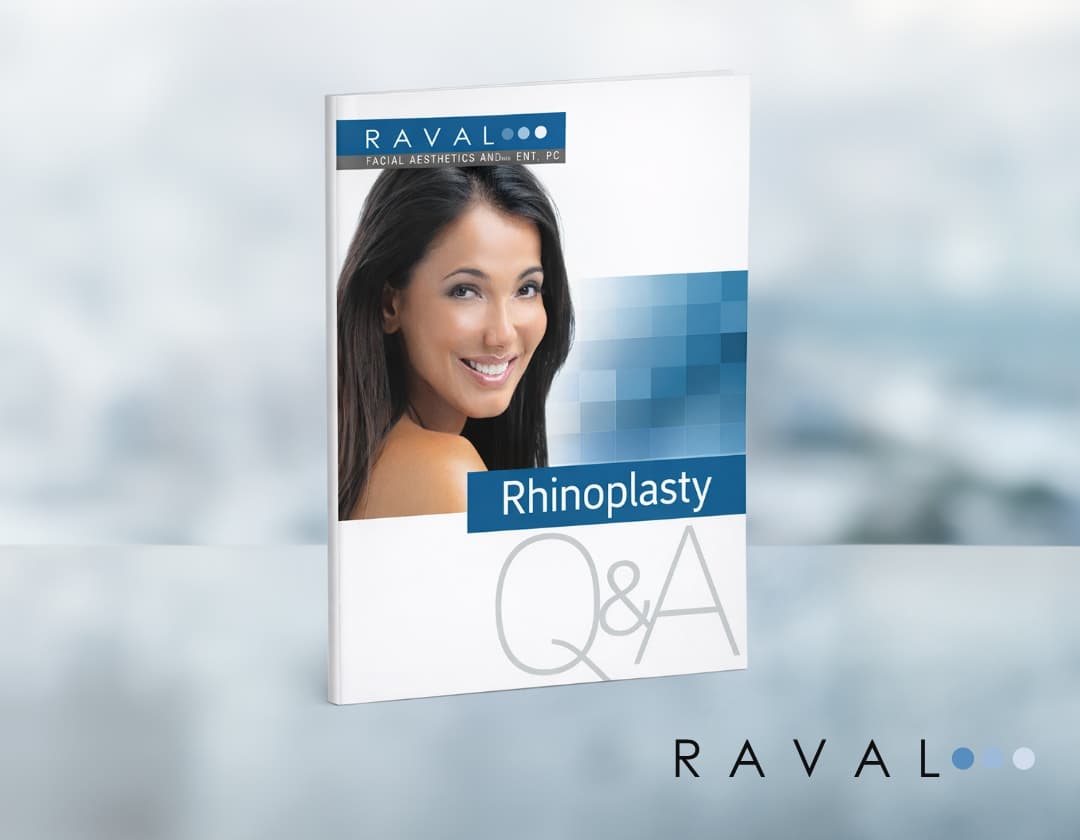
Rhinoplasty Your Free Guide

Rhinplasty Q&A: Your Free Guide

If you're considering getting a "nose job," it's important to understand your options. This e-book explains everything you need to know.

Rhinoplasty Surgical Techniques

The surgical technique determines how Dr. Raval accesses and reshapes the nasal structures during rhinoplasty, allowing for varying levels of visibility and structural precision.

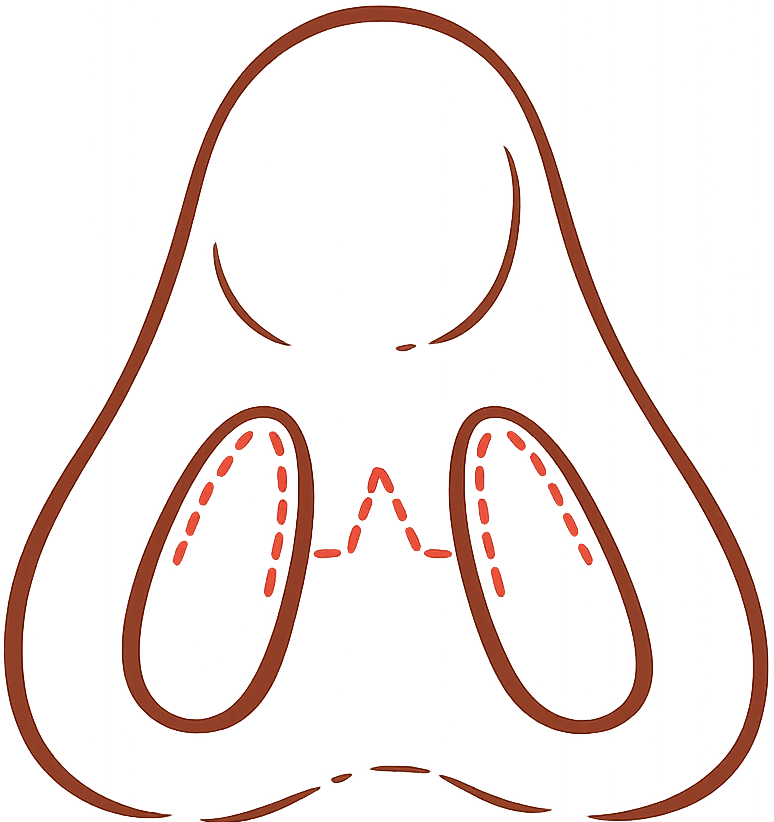
Open Rhinoplasty graphic

Open Rhinoplasty

This approach uses a small external incision at the base of the nose to provide full visibility of nasal structures. Dr. Raval prefers this technique because it allows for precise structural refinement, especially in complex or revision cases.

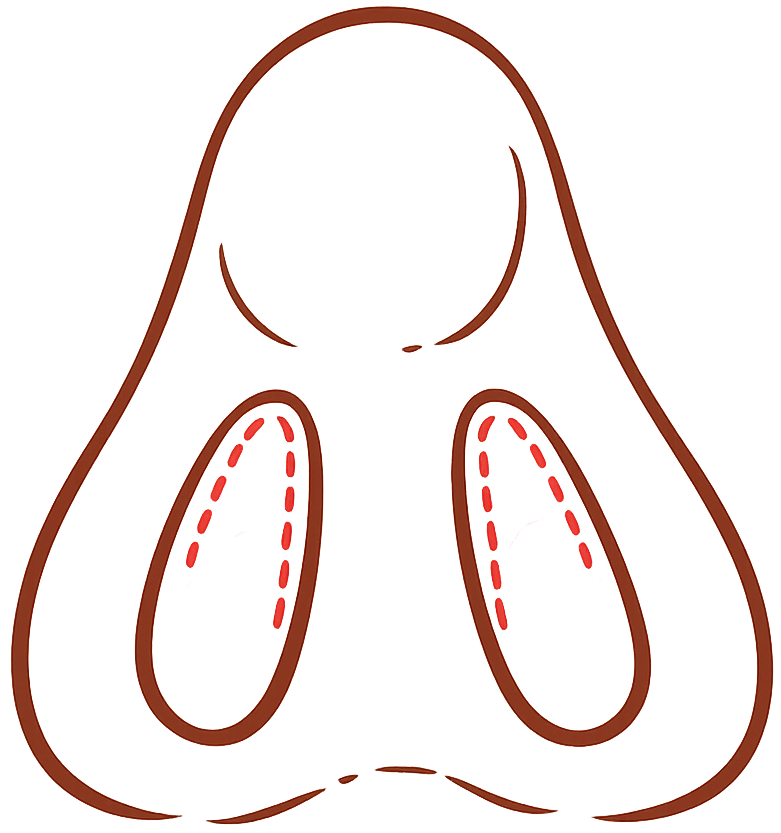
Closed Rhinoplasty graphic

Closed Rhinoplasty

Closed rhinoplasty places incisions inside the nostrils and may be appropriate for limited reshaping or refinement. However, it offers less visibility for structural correction.

How Do the Types of Rhinoplasty Differ?

Beyond surgical technique, rhinoplasty is also categorized based on a patient’s goals, anatomy, and prior surgical history.

Revision Rhinoplasty

This procedure corrects or refines the outcome of a previous nasal surgery. Revision rhinoplasty cases are often more complex due to scar tissue, altered cartilage support, or compromised nasal structure, which is why they require advanced surgical judgment. Patients often seek out Dr. Raval for revision cases that demand complex reconstruction and a thoughtful, anatomy-driven approach.

Ethnic Rhinoplasty

Ethnic rhinoplasty enhances nasal balance while preserving the distinctive features that reflect your heritage. Dr. Raval tailors his techniques to support natural-looking results.

Functional Rhinoplasty and Septoplasty

Functional rhinoplasty is designed to improve breathing and may include septoplasty to correct a deviated septum. When necessary, Dr. Raval performs cosmetic and functional correction simultaneously to enhance breathing while maintaining aesthetic balance.

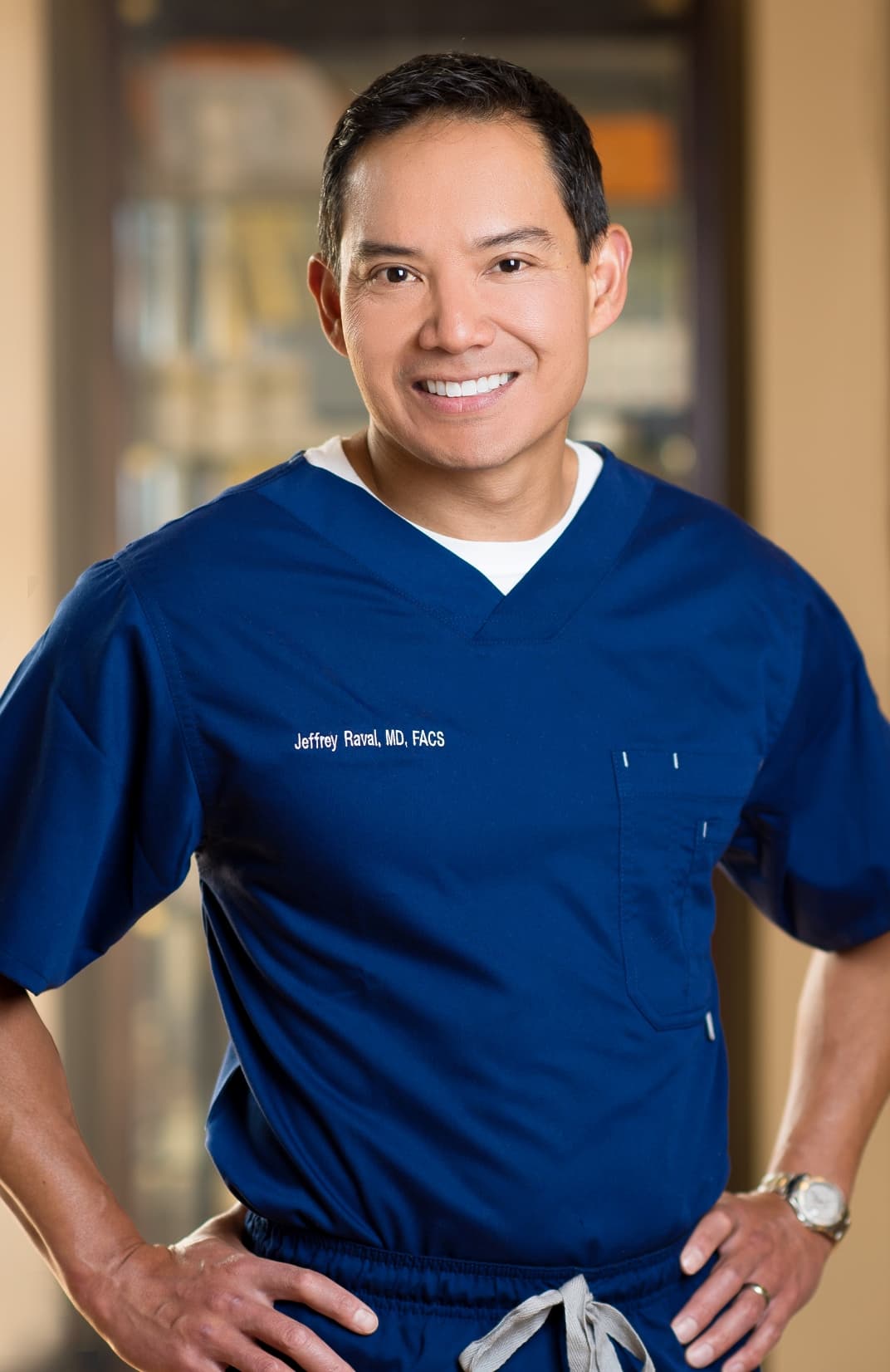
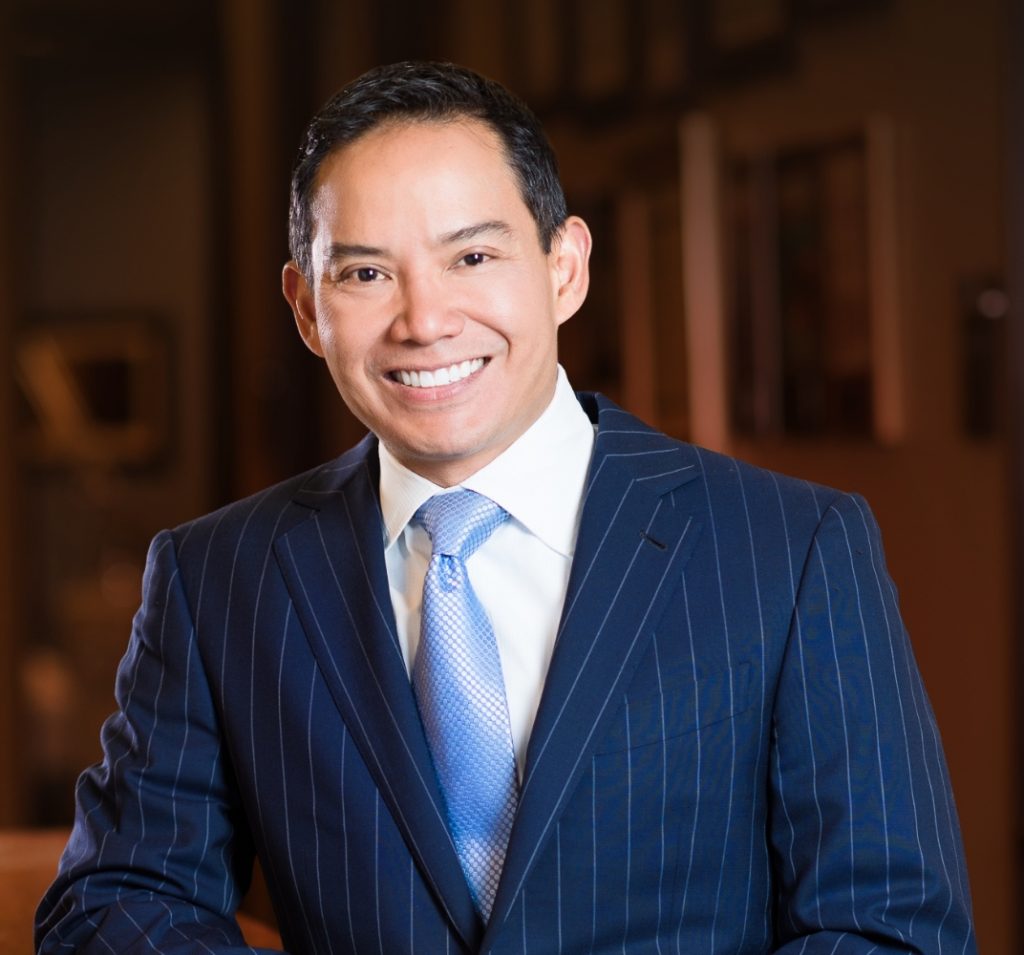
Dr. Raval

Why Choose Jeffrey R. Raval, MD, MBA, FACS?

Choosing a facial plastic surgeon in Denver requires careful evaluation of training and specialization. As a double board-certified, fellowship-trained facial plastic surgeon, Dr. Raval focuses exclusively on facial procedures. His background in both reconstructive and aesthetic techniques ensures enduring results that look beautiful and natural—never overdone.

Consultations at Raval Facial Aesthetics are thorough and unhurried, with thoughtful discussion of goals, options, and realistic outcomes. From consultation through recovery, you can expect attentive follow-up, clear and honest communication, and a team committed to building lasting confidence.

Meet Dr. Raval
American Board of Facial Plastic and Reconstructive Surgery, American Board of Otolaryngology Head and Neck Surgery Logos
VIP Membership Beautiful Benefits, Built For You Model
VIP Membership

Beautiful Benefits, Built For You

Choose from 3 customized spa membership plans to save on BOTOX®, fillers, lasers, peels, and more—while maintaining your results with exclusive member perks!

Pick Your Plan
Model

How Is Rhinoplasty Performed?

Dr. Raval performs rhinoplasty as an outpatient procedure under general anesthesia, ensuring patient comfort and safety throughout surgery while allowing patients to return home the same day. During surgery, he:

  • Refines nasal structure by reshaping bone and cartilage
  • Reinforces structural support with grafts when necessary
  • Corrects septal deviation if present
  • Carefully re-drapes the skin for a refined contour

He meticulously closes the incisions to minimize scarring. After surgery, patients wear a nasal cast for about 1 week, and internal supports may remain for 3 to 7 days during early healing.

Preparing for Rhinoplasty

Dr. Raval advises patients to stop smoking and refrain from taking GLP-1 medications at least 2 weeks before surgery. Patients should also stop taking aspirin and avoid alcohol for at least 1 week before surgery and follow all preoperative guidance closely.

Rhinoplasty model

What Should You Expect During Rhinoplasty Recovery?

Rhinoplasty recovery follows a general progression. The most noticeable changes occur in the first few weeks, with continued refinement over time. Individual healing timelines vary depending on the extent of surgery and your body’s natural recovery process.

  • Immediately after surgery: You’ll wake up with a protective cast, often called a Denver cast, on the bridge of your nose and small internal nasal stents, which are trimmed for comfort. Rest at home with your head elevated, use a saline spray to keep the nasal passages moist, and apply ice around the eyes to reduce swelling.
  • First few days: Swelling and bruising are most noticeable but begin to improve after 48 hours. Nasal stents are typically removed around day 3. Many patients are comfortable working from home within 3 to 4 days.
  • 1 week: The external cast is removed, tape is placed at the nose bridge, and you may need to wear a lighter splint or cast at night for added support.
  • 2 weeks: Most bruising and swelling have subsided, and early improvements in the shape of the nose are noticeable.
  • 4 weeks and beyond: Most patients can resume their normal exercise routine. Subtle swelling continues to resolve over 6 to 12 months, with gradual refinement of your results.

Rhinoplasty results are permanent, although the face and nose will continue to age naturally.

Detailed Postoperative Care & Recovery Support

At Raval Facial Aesthetics, postoperative care is intentionally comprehensive and includes:

  • Detailed home care guidance, close follow-up visits, and direct access to Dr. Raval throughout early recovery
  • Recommendations for supportive treatments such as BBL® HERO® to reduce bruising and hyperbaric oxygen therapy to support tissue healing
  • Ongoing monitoring and support from Dr. Raval and our team

This proactive approach helps enhance your comfort, optimize recovery, and protect long-term structural results.

Rhinoplasty FAQs

How much does rhinoplasty cost in Denver?

The cost of rhinoplasty in Denver varies depending on surgical complexity, technique, and other unique factors. We’ll provide a detailed treatment plan and price quote after your consultation.


What’s the best age for a nose job?

The best age for a nose job depends on physical maturity and nasal development, rather than a specific number. Most surgeons recommend waiting until nasal growth is complete, typically at age 15 to 16 for girls and 16 to 17 for boys. Adults can undergo rhinoplasty at any age if they are healthy and appropriate candidates.


Does a nose job improve breathing as well as appearance?

Yes. When structural issues such as septal deviation or valve collapse are present, rhinoplasty can improve airflow while enhancing nasal balance.

Schedule Your Rhinoplasty Consultation in Denver

If you’re researching the best rhinoplasty surgeon in Denver, a personalized consultation is the most important first step.

To learn whether rhinoplasty is right for you, request a consultation at Raval Facial Aesthetics by completing the online form or calling us at (303) 381-3223.

Request a Consultation
Dr. Raval
Contact